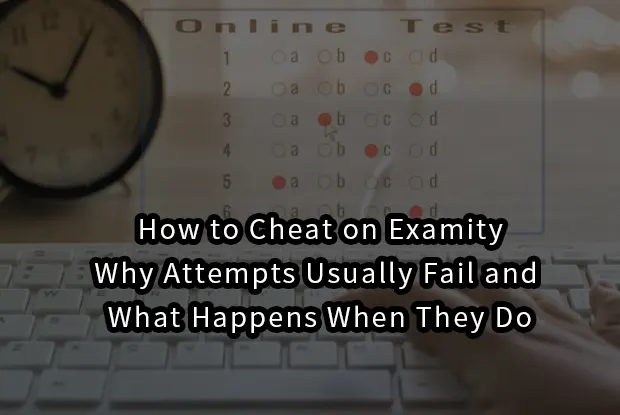
Introduction to Examity and Online Proctoring.Examity is one of the leading online proctoring platforms used by universities, colleges, and certification bodies to monitor remote exams. With the rise of online education, platforms like Examity have become essential for maintaining exam integrity when students take tests from home. Examity offers different levels of proctoring, ranging from fully automated recording to live proctoring where a human observer watches the entire session in real-time.
At its core, Examity aims to replicate the security of in-person exams in a virtual environment. It combines technology like webcam monitoring, screen recording, microphone audio capture, and AI-driven behavior analysis with human oversight. For high-stakes exams, live proctors guide the test-taker through setup, verify identity, scan the room, and monitor throughout. Even in automated modes, sessions are recorded and often audited later by professionals.
Many students search for “how to cheat on Examity” out of curiosity or stress, but understanding the system’s robust features shows why bypassing it is extremely difficult. This article explores common attempted methods, their underlying principles, simple examples of how they might theoretically work, real-world cases where they failed spectacularly, and why such attempts carry significant risks. The goal is to highlight that these explorations often lead to detection and emphasize the importance of legitimate preparation.
其中ACCA Remote(国内亦可考,代报名+代考)、GED、LSAT、CIMA、GRE、GMAT、ACA、CIA、AP、SAT等各类证书考试均为王牌服务且同行无敌手。
其他各类在线考试软件如:Lockdown Browser,Safe Exam Browser,Person OnVue,PSI,ProctorU,WISEflow,Bluebook,ProProctor,Examplify,Examity,Inspera,Honorlock,Proctor360,Proctorio,PSI Secure Browser,Openedu,Guardian Browser,eExams平台,Brightspace平台,Proctortrack,TOEIC Secure Browser,Secure Browser,eZtest等均可成功绕过系统检测,无痕运行且稳定远程控制。
微信WeChat:simonexam可选中复制 | Discord、WhatsApp
可淘宝:Simonexam担保交易或先考试出分再付款。(部分考试类型除外)
Understanding How Examity Works: The Core Security Layers
文章目录|Table of Contents
- 1 Understanding How Examity Works: The Core Security Layers
- 2 Common Questions About Examity Proctoring
- 3 Theoretical Principles Behind Attempted Bypass Methods
- 4 Real-Life Cases of Failed Attempts on Examity
- 5 More Detailed Exploration of Detection Mechanisms
- 6 Why Random Operations Can Lead to Issues
- 7 Extended Discussion on Preparation vs. Exploration
- 8 Additional Real Cases and Patterns
- 9 The Role of Post-Exam Reviews
- 10 Final Warnings on Operations
- 11 Introducing SimonExam: Professional Technical Guidance for Examity and More
To discuss any potential vulnerabilities, it’s crucial to first grasp Examity’s multi-layered security.
Identity Verification and Authentication
Every Examity session starts with strict ID checks. The proctor (live or via automated prompts) compares a government-issued photo ID with the test-taker’s face in real-time via webcam. Some sessions include challenge questions or biometric elements like knuckle scans (though less common now). This prevents basic impersonation from the outset.
Room and Environment Scan
Before the exam launches, test-takers must perform a 360-degree room scan with their webcam. This includes showing the desk, under the desk, walls, and any nearby areas. Proctors look for notes, extra devices, or people. Unauthorized items must be removed.
Screen and System Monitoring
Examity often requires a Chrome extension or secure browser that locks down the computer. It shares the screen with the proctor, records everything, and can restrict tab switching or new applications. In live sessions, proctors may take temporary control to enter passwords or troubleshoot.
Audio and Video Monitoring
The microphone and webcam run continuously. AI flags unusual sounds (whispers, voices), eye movements (looking away frequently), or head turns. Live proctors watch for these in real-time.
Post-Exam Auditing
Even if no live proctor is present, recordings are reviewed by Examity’s audit team. They flag suspicious behavior for the institution.
These layers make Examity highly effective, catching around 6% of attempts in large-scale reviews, according to past data from the platform.
Common Questions About Examity Proctoring
Students often have questions when preparing for an Examity-proctored exam. Here are some frequently asked ones.
What Devices and Setup Does Examity Require?
A desktop or laptop with a working webcam, microphone, and stable internet is mandatory. Tablets or phones are not allowed. A wired connection is recommended to avoid drops.
Can I Use Notes or External Resources?
No. The room scan and monitoring prohibit any visible aids. Even subtle ones risk detection through eye tracking or audio.
How Long Does Setup Take?
Authentication typically takes 5-15 minutes and doesn’t count toward exam time.
What Happens If There’s a Technical Issue?
Proctors assist in real-time for live sessions. Support is available 24/7.
Is Examity Recording Everything?
Yes, video, audio, and screen are recorded for review.
These questions highlight the platform’s thoroughness, leaving little room for error.
Theoretical Principles Behind Attempted Bypass Methods
While no method is foolproof, some students explore technical or low-tech ways to gain an edge. Below are principles of common attempts, with simple examples. Note that these are for educational discussion only—most fail due to Examity’s countermeasures.
Using Hidden Notes or Cheat Sheets
Principle: Placing physical notes out of webcam view or on walls, relying on subtle glances.
Simple Example: Taping small notes under the keyboard or on a wall behind the monitor, then glancing occasionally.
Why It Often Fails: Room scans require showing all areas, including under desks. Eye-tracking AI and proctors detect repeated off-screen looks. In audits, head movements are scrutinized.
Second Devices or Phones
Principle: Using a hidden phone or secondary monitor to search answers.
Simple Example: Placing a phone under the desk to Google questions or text a helper.
Why It Often Fails: Proctors require showing under the desk. Audio picks up typing or vibrations. Network monitoring can flag extra devices.
Virtual Machines or Screen Sharing
Principle: Running the exam in a virtual machine (VM) while using the host OS for assistance, or sharing screen undetected.
Simple Example: Installing VMware, running Examity in the guest OS, and browsing on the host.
Why It Often Fails: Examity scans for running applications and VMs during setup. Screen sharing tools leave traces in processes or cause lag flagged by AI.
Impersonation or Proxy Test-Takers
Principle: Having someone else take the exam.
Simple Example: A friend logs in with faked ID.
Why It Often Fails: Strict ID verification with live comparison and biometrics makes this nearly impossible.
Pre-Recorded Video Feeds
Principle: Replacing live webcam feed with looped video.
Simple Example: Using software to intercept and loop a pre-recorded clip.
Why It Often Fails: Advanced systems detect lack of real-time interaction or inconsistencies in lighting/movement.
These principles rely on exploiting perceived gaps, but Examity’s combination of human and AI oversight closes most.
Real-Life Cases of Failed Attempts on Examity
Numerous documented cases show how attempts backfire. These are based on reports from Examity and institutions.
Case 1: The Hidden Helper Under the Desk
One student hid a family member under the desk to whisper answers. The proctor noticed unusual posture and audio noises, flagged it during the session, and the audit confirmed voices. The exam was invalidated.
Case 2: Cheat Sheets on Walls
A test-taker hung answers on the wall. Despite clearing the initial scan, frequent eye movements triggered a red flag. Post-audit review caught it, leading to academic penalties.
Case 3: Phone in Plain Sight
A student held a phone to the screen to photograph questions. The webcam captured it clearly since it records both ways. Immediate termination.
Case 4: Coughing Codes
Someone outside the room signaled answers via coded coughs. Microphone audio picked it up, and the audit team decoded the pattern.
Case 5: Virtual Machine Switch
A tech-savvy student used a VM to switch screens. The setup scan detected the virtualization software, and the proctor halted the exam.
Case 6: Multiple Monitors
Connecting a second monitor for notes. Examity’s system check flagged extra displays, and the proctor required disconnection.
These cases illustrate that even creative efforts are detected, often quickly.
More Detailed Exploration of Detection Mechanisms
Examity’s AI analyzes keystrokes, mouse movements, and behavior patterns. For instance, irregular typing (copy-paste vs. natural) raises flags. Live proctors intervene instantly for yellow flags (minor) or red (clear violations).
In large reviews of tens of thousands of exams, common flags include unauthorized navigation (14%), cheat sheets (21%), and external help.
Why Random Operations Can Lead to Issues
Any untested modification to your setup—extra software, devices, or environmental changes—can trigger flags. Proctors and AI are trained on thousands of sessions to spot anomalies. Simple actions like frequent stretches or looking away can be misinterpreted if overdone.
Extended Discussion on Preparation vs. Exploration
Preparing legitimately involves practicing with Examity’s mock sessions, ensuring a quiet room, and studying content. Many students underestimate how stress from attempts affects performance.
Additional Real Cases and Patterns
Further examples include Morse code signals, prosthetic hands for biometrics (flagged by movement), and collaborative groups via hidden earpieces (audio detection).
Patterns show low-tech attempts (notes, phones) are most common but easiest to catch.
The Role of Post-Exam Reviews
Audits catch what live monitoring misses, reviewing full recordings frame-by-frame.
Final Warnings on Operations
Avoid any random changes or unverified methods—stick to approved setups. Risks are inherent in deviations.
Introducing SimonExam: Professional Technical Guidance for Examity and More
For students facing challenges with Examity or other platforms like Safe Exam Browser (SEB), Lockdown Browser, OnVue, Pearson VUE, Wiseflow, ProctorU, Proctorio, or Proctor360, SimonExam offers reliable technical guidance and support during the exam process.
SimonExam specializes in remote technical assistance to ensure smooth, compatible operation.
Service Advantages:
- Platform transactions for security—exam first, payment after.
- High cost-effectiveness with industry-leading technology and expert team.
- Zero risk: Full refund if issues arise or targets unmet.
- Top experts from QS Top 50 universities for precise matching.
- Pre-exam testing and training to guarantee stability.
Contact SimonExam for professional help to navigate Examity confidently and achieve your goals legitimately through expert guidance.